
In pharmaceutical supply chains, timing, temperature control, and transportation stability directly affect product quality and safety. However, traditional pharmaceutical logistics often involve multiple supply chain participants, and data between different systems is difficult to synchronize in real time, creating information silos that increase the risks of transportation delays, temperature deviations, and product quality issues. In the highly regulated pharmaceutical industry, the lack of real-time visibility and traceability not only affects supply chain operational efficiency, but may also lead to product recalls, pharmaceutical waste, and greater compliance pressure.
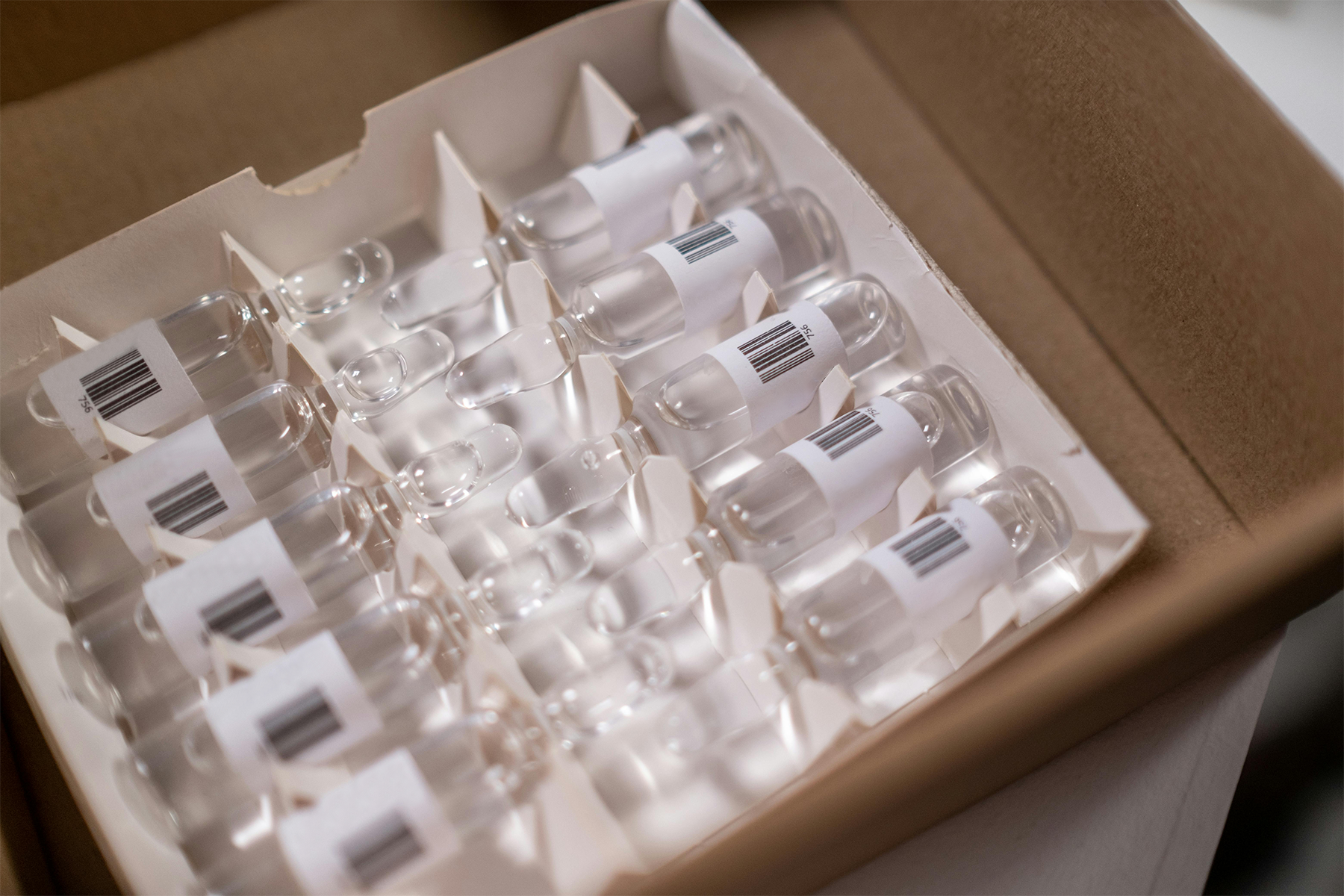
RFID enables more efficient collection and synchronization of logistics data, improving tracking accuracy throughout transportation processes while supporting real-time monitoring of cargo location, movement status, and key logistics checkpoints. At the same time, RFID can be integrated with temperature monitoring systems, automation technologies, and digital platforms to help businesses improve warehouse management efficiency, reduce risks caused by manual operations, and strengthen supply chain coordination capabilities. In today’s highly time-sensitive and globalized pharmaceutical logistics environment, RFID is becoming an important technology foundation for improving supply chain transparency and traceability.
As digital supply chains and intelligent tracking technologies continue to evolve, RFID is also helping the pharmaceutical industry move toward traceability that extends beyond internal enterprise operations to the consumer level. In the future, consumers may be able to verify drug authenticity and directly access information about a product’s transportation route, temperature conditions, and circulation process, further improving medication transparency and consumer trust.

Telephone | (86) 0592-3194688
China | No. 2-16, Hongxi South Road, Xiang'an District, Xiamen City, Fujian Province
Malaysia | Lot 28, Jalan Permata 1/1, Arab-Malaysian Industrial Park, 71800 Nilai, Negeri Sembilan, Malaysia.


-


-

market@xindecoiot.com
-
