
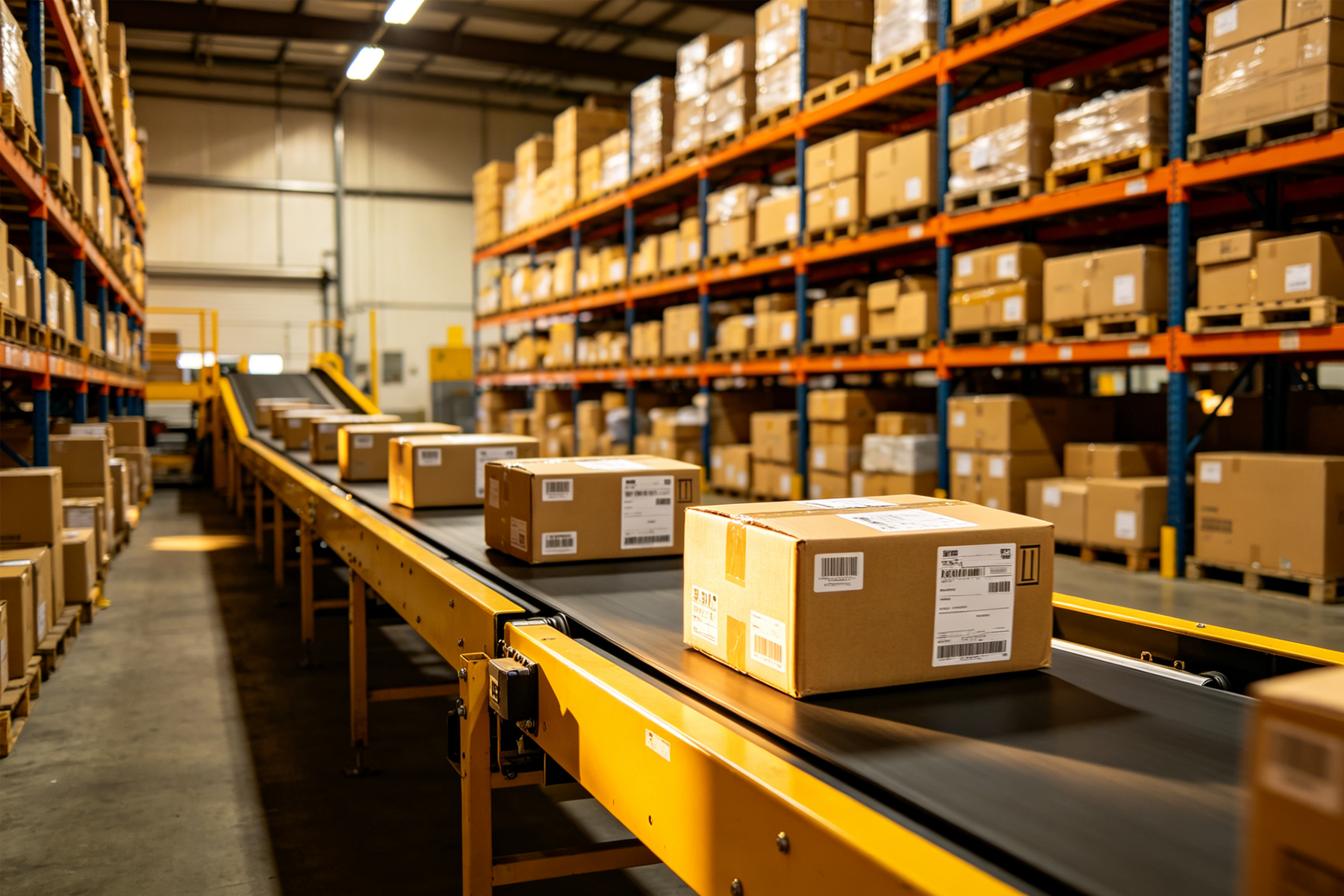
As supply chains become increasingly globalized and time-sensitive, logistics providers are under growing pressure to improve speed, accuracy, and transparency. Industry research indicates that the lack of real-time visibility remains one of the key challenges in logistics operations. Traditional manual scanning processes not only rely on line-of-sight operation, but also often lead to data delays, missing information, and inconsistent tracking, limiting inventory flow efficiency and supply chain responsiveness. In high-frequency and complex transportation environments, it is becoming increasingly difficult for businesses to achieve real-time, accurate logistics tracking and operational coordination.
In real logistics warehousing and transportation scenarios, goods are often stored and moved in cartons, pallets, or large-volume stacked configurations, where tags can easily become blocked or attached to one another due to close proximity, further increasing the risk of interference during bulk reading. At the same time, large metal shelving systems, warehouse equipment, and complex storage environments can affect RF signal propagation, making stable RFID identification more challenging in long-range, multi-tag, and high-speed logistics scenarios. This places higher demands on RFID tags in terms of bulk-reading capability, anti-interference performance, and read stability in complex environments.
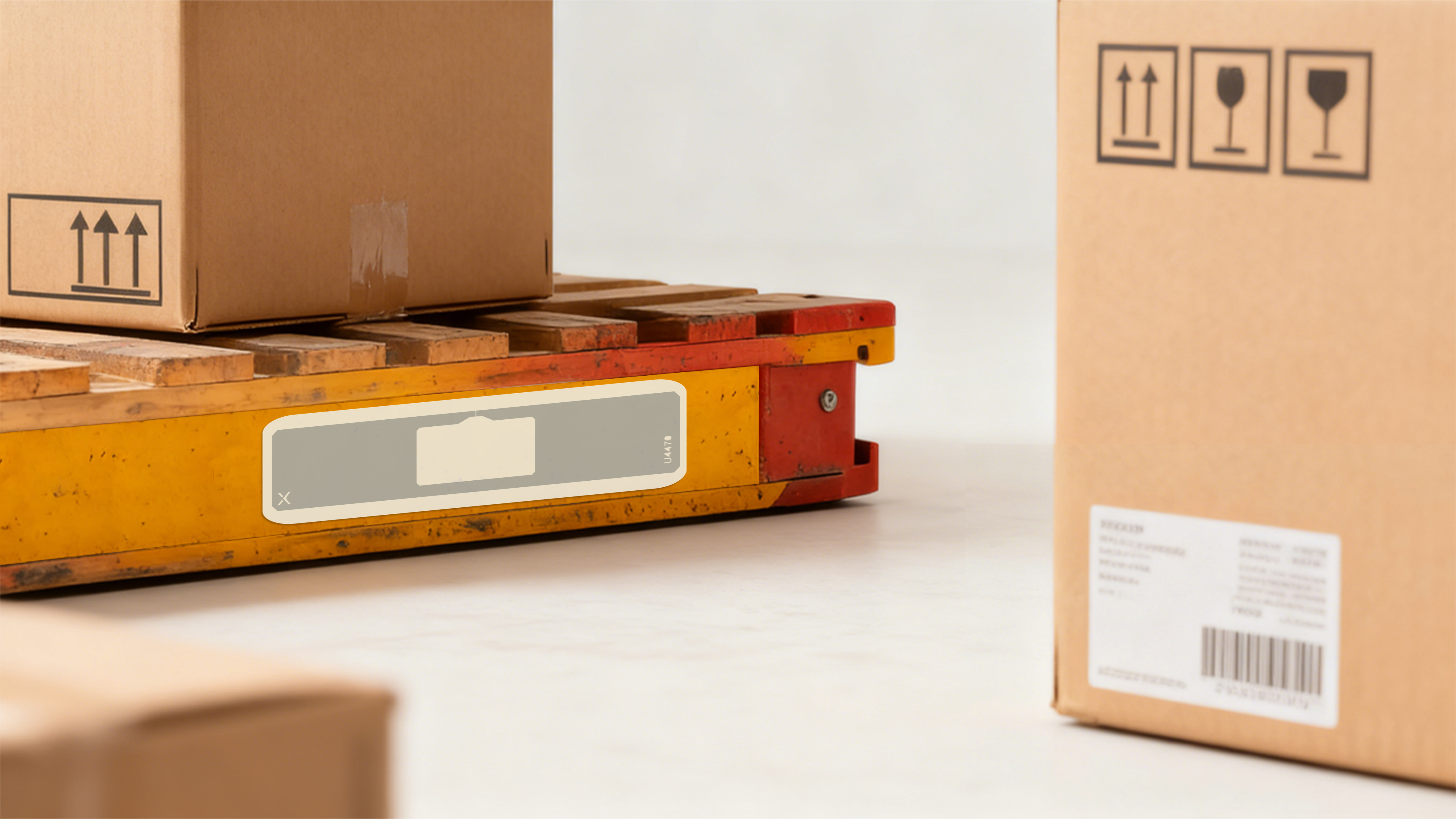
RFID enables bulk identification and automated data capture without requiring line of sight, making it better suited for high-frequency and large-volume logistics operations. Throughout warehousing, sorting, transportation, and distribution processes, RFID helps businesses complete cargo identification, inbound and outbound management, and logistics tracking more efficiently, improving data collection efficiency and inventory visibility while reducing delays and missed scans caused by manual operations.
To address the reading challenges caused by stacked cartons, palletized goods, and complex warehouse environments, RFID tags can improve multi-tag reading performance and long-range read stability through optimized antenna design and enhanced anti-interference capability. This allows RFID systems to better adapt to the high-density and high-frequency bulk identification requirements of logistics operations, helping businesses optimize warehouse scheduling, improve cargo flow efficiency, and achieve more real-time logistics tracking and supply chain coordination. Meanwhile, the large volume of real-time data continuously generated throughout logistics operations is also becoming an important data foundation for AI-driven supply chain analysis and intelligent operations.

Telephone | (86) 0592-3194688
China | No. 2-16, Hongxi South Road, Xiang'an District, Xiamen City, Fujian Province
Malaysia | Lot 28, Jalan Permata 1/1, Arab-Malaysian Industrial Park, 71800 Nilai, Negeri Sembilan, Malaysia.


-


-

market@xindecoiot.com
-
